What is a social media API used for?#
Scheduling and publishing posts, pulling analytics into reports, answering comments and messages, and connecting social media to other systems, such as a CMS that posts every new article, or an AI assistant that drafts and schedules for you.
Responses come back as machine-readable JSON rather than web pages, and requests authenticate with an API key or an OAuth token instead of a login form.
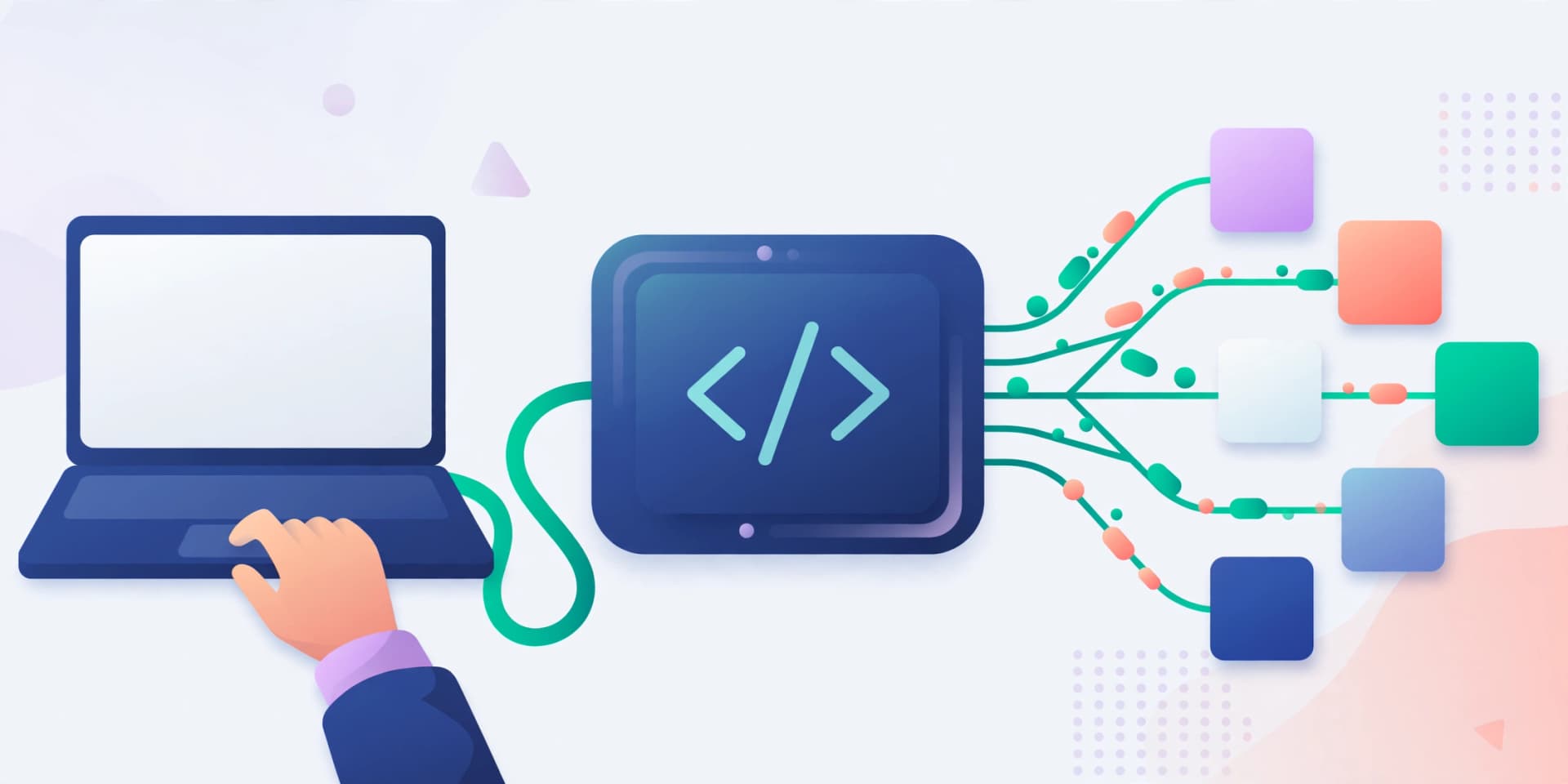
What is the difference between a native and a unified social media API?#
| Native platform APIs | Unified API (SkedCast) | |
|---|---|---|
| Request format | Different for every network | One format for every network |
| Developer approval | An app review per network, for some features | SkedCast holds the platform app registrations |
| Sign-in | Each network's own OAuth | Accounts connect once in SkedCast |
| Posting to five networks | Five integrations | One call with five accounts |
| Upkeep | Track each network's version changes | SkedCast follows the changes |
How does a social media API call work?#
curl -X POST https://api.skedcast.com/v1/posts \
  -H "Authorization: Bearer sked_live_YOUR_KEY" \
  -H "Idempotency-Key: $(uuidgen)" \
  -H "Content-Type: application/json" \
  -d '{
    "clientId": "<clientId>",
    "content": "Our spring range is live",
    "targets": { "mode": "selection", "accountIds": ["<instagramAccountId>", "<linkedinAccountId>"] },
    "schedule": { "type": "at", "scheduledAt": "2030-01-15T15:00:00Z" }
  }'
Which social media APIs need approval?#
Most networks ask developers to register an app, and several review it before it can publish or read analytics for other people's accounts. The publishing API access table lists what each network requires. With a unified API you skip those reviews: SkedCast already holds the approved apps, and you connect your accounts to it.
SkedCast's REST API is included from the Studio plan. Start with the API hub or how to schedule posts with the API.
FAQ
- Do I need my own developer accounts with each platform to use a social media API?
- With SkedCast, no: SkedCast holds the platform-level app registrations; you authenticate to SkedCast's API with an API key or OAuth token and connect your accounts through it.
- What is a unified social media API?
- One API in front of many networks: you send one request format and it handles each network's own API, sign-in and rules for you.
- Is a social media API free?
- Some native APIs have free tiers and some charge; check each network. SkedCast's REST API is included from the Studio plan.
- What's the social media API meaning in one sentence?
- Programmatic access to the publishing, analytics and account tasks you would otherwise do by hand in each network's app.